



Herb Healers

Arnica Flower, tincture

Be the first to review this product

Quick Overview

Latin (botanical) name: Arnica Montana

Common names: Arnica Flowers, Arnica Root, Common Arnica, Mountain Tobacco, Leopard's Bane, Wolf's Bane, Sneezewort

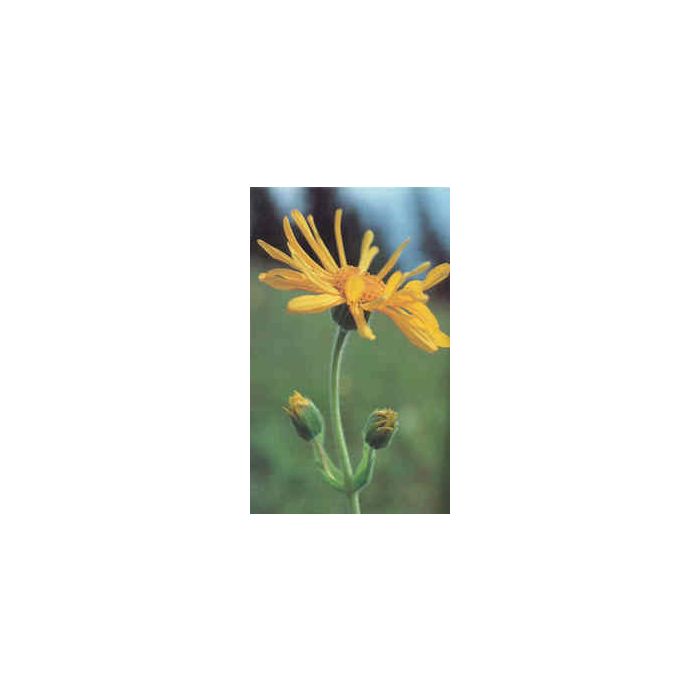
Plant Description: Arnica is a perennial that is most commonly found in the mountainous regions of Canada, the northern United States and Europe. In some parts of Europe, it is protected. Arnica blooms in July and produces a bright yellow daisy-like flower. Its stalk sometimes grows as tall as 2 feet high, and its leaves form the shape of a flat rosette. Each plant may have as many as nine blooms. The bloom of this plant has been used for hundreds of years in alternative medicine, and is still very popular in Germany where it is used in more than 100 drug preparations.


Arnica Flower, tincture

Double click on above image to view full picture

Zoom Out
Zoom In

More Views

Availability: In stock

Product Name Price Qty
Arnica Flower, tincture - 4 oz. (118.3 ml.)
$18.99
Arnica Flower, tincture - 2 oz. (59.15 ml.)
$13.90

Product Description

Latin (botanical) name: Arnica Montana

Common names: Arnica Flowers, Arnica Root, Common Arnica, Mountain Tobacco, Leopard's Bane, Wolf's Bane, Sneezewort

Plant Description: Arnica is a perennial that is most commonly found in the mountainous regions of Canada, the northern United States and Europe. In some parts of Europe, it is protected. Arnica blooms in July and produces a bright yellow daisy-like flower. Its stalk sometimes grows as tall as 2 feet high, and its leaves form the shape of a flat rosette. Each plant may have as many as nine blooms. The bloom of this plant has been used for hundreds of years in alternative medicine, and is still very popular in Germany where it is used in more than 100 drug preparations.

Medicinal Properties & Uses:

The Arnica plant is primarily used as a diaphoretic, diuretic, emollient, expectorant, stimulant, and a vulnerary. It is only recommended for external use. When applied as a salve or with a tincture, it helps to promote the healing of wounds, bruises and skin irritations. In some cases, it has been used as a poultice for compresses on the stomach to relieve abdominal pains. Most commonly, it is used for relief in bruises, arthritis, internal injuries, and in massage therapy.

Dosage: Apply externally to injured areas. Do not apply to broken skin. Orally, use only under the direction of your health care professional. Shake well before using.

Cautions & Interactions: Do not take during pregnancy. Keep out of reach of children.

Efficacy Studies & Other Clinical Data:

* Bandolier Library
* HerbMed - Clinical Trials (Arnica)
* Review of the Clinical Efficacy of Arnica as an Anti-Inflammatory Agent

Helpful Links:

* American Cancer Society
* Herbs for Health
* Vibration Magazine

Disclaimer (U.S. Only): These statements have not been evaluated by the FDA. These products are not intended to diagnose, cure, treat, or prevent any disease.

Product Tags

Use spaces to separate tags. Use single quotes (') for phrases.